
6 Active Stretching Moves That Bank Your Gains

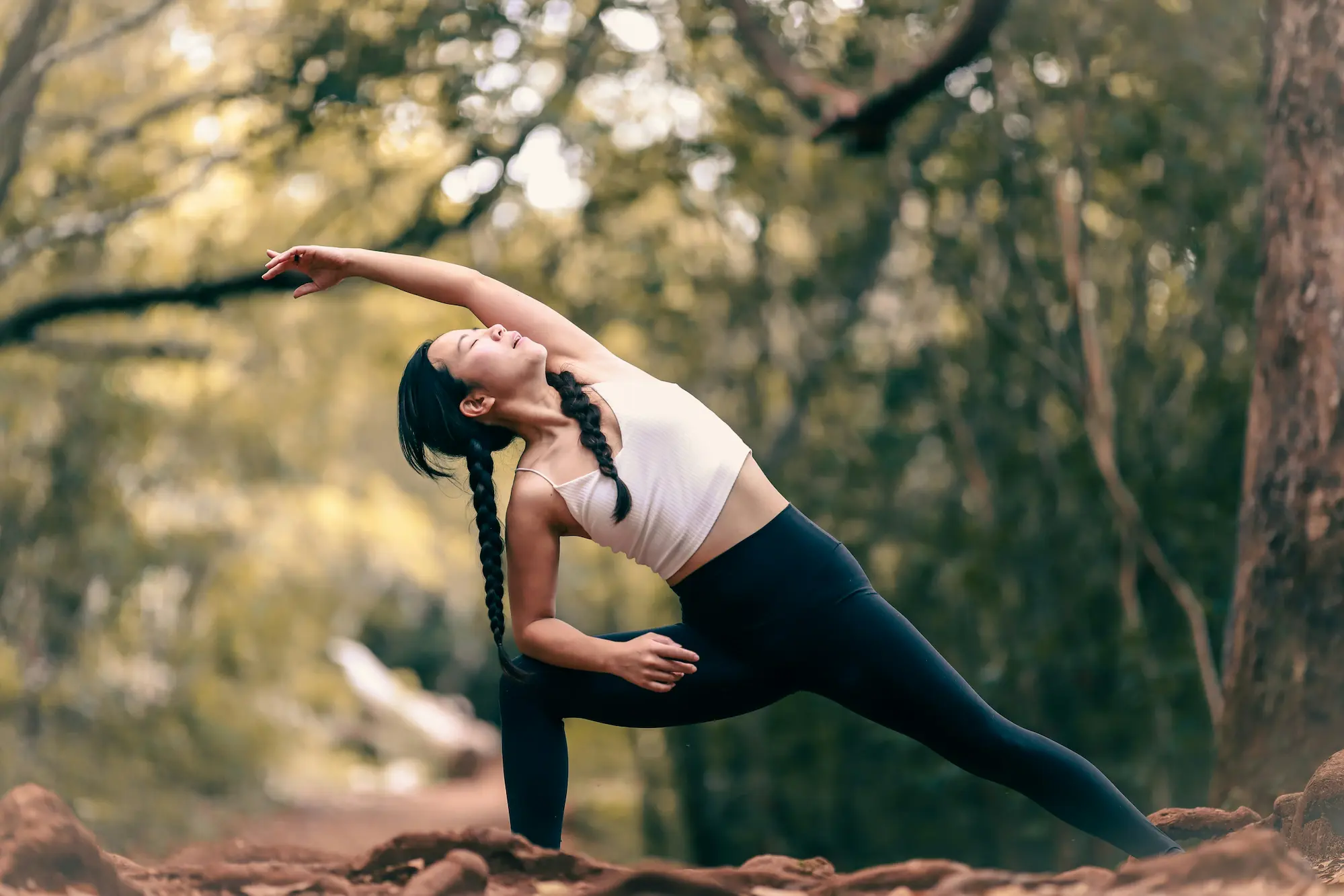
Most people stretch in ways that feel familiar but don’t actually give them lasting mobility. The classic picture: leaning into a hamstring stretch, pulling your foot toward your bum, or letting gravity push you deeper. These are examples of assisted stretching — you’re borrowing range of motion, not owning it. The result? Your nervous system doesn’t trust it, and your muscles snap back soon after.
That’s why active stretching for fitness is a game-changer. Instead of forcing a limb with another limb (or with gravity), you actively use the target muscle at the edge of your range. This signals safety to your nervous system and builds mobility you can actually keep.
⚡ Borrowed vs. Owned: Why Passive Stretching Fails
Think of it like money. Assisted stretching is borrowed — it looks good in the moment, but you have to “pay it back” straight away. Active stretching is owned — it’s yours to keep, because you earned it with control. Your nervous system rewards you by letting the new range stick around. If you’ve ever wondered can you really stretch fascia, this is where active methods make the biggest difference.
🔑 Opening the Safe vs. Banking the Gains
Here’s where the finance metaphor gets fun. At the start of a session, your dynamic warm-up is opening the safe — you’re unlocking mobility you’ve previously earned. After your main workout, you cool down with active stretching to bank the gains — depositing them safely so they don’t vanish overnight.
Skip the cool-down, and it’s like leaving cash on the table. You earned it, but you didn’t secure it. Active stretching locks in progress by teaching your nervous system that your new safe range is trustworthy and usable tomorrow.
🧠 Why the Nervous System Matters
Your muscles don’t decide on their own whether to lengthen — your nervous system does. If it thinks a deep range is unsafe, it clamps down with protective tension. That’s why aggressive passive stretching feels like “hitting a wall.”
Active stretching works differently. By contracting muscles at the edge, you give your nervous system proof of safety. Over time, this expands your map of movement. The edge of your range moves outward, and you truly own it. There’s solid research on active stretching and mobility that supports this nervous system-driven approach.
❓ What is Active Stretching for Fitness?
Active stretching means using your own muscle strength to explore and hold a stretch, rather than relying on outside forces. For example, instead of pulling your leg toward you, you lift and hold it yourself. This builds strength and mobility at the same time, creating lasting results.
🌊 Real-World Benefits You Can Feel
When you train this way, the benefits ripple through body and mind:
- Performance: You feel more spring in your fascia, better range in kettlebell lifts, and smoother transitions in bodyweight drills. Learning how to use a kettlebell safely pairs perfectly with this approach.
- Resilience: Less risk of injury because your joints are supported at their edges, not just left floppy after a passive hold.
- Breath and calm: Controlled breathing during active stretching doubles as a way to train under pressure. Gentle breathing practice also calms the parasympathetic system, so when you cue breathing during warm-ups and stretching, you’re reinforcing and training your nervous system to be comfortable at the new edge of your range.
- Consistency: Instead of starting every workout “from scratch,” you actually keep your gains — because they’ve been banked.
In our outdoor fitness sessions in Southsea Portsmouth, this approach makes the cool-down feel less like an afterthought and more like an essential ritual. It’s the part that ensures you move freely tomorrow, not just today.
🚀 Bringing It All Together
The bigger picture is simple: stop borrowing range and start owning it. Treat warm-ups as safe-opening and cool-downs as gain-banking. Work at the edge of your range with control, and your nervous system will reward you with lasting mobility.
It’s not just about flexibility — it’s about functional strength and mobility you can rely on tomorrow, next week, and years down the line. That’s the kind of investment worth making.
💬 Your Next Step
Try this approach in your own training, or join one of our fascia-aware, breath-led outdoor fitness sessions in Southsea. Notice the difference between borrowed flexibility and owned mobility. Once you’ve felt it, you’ll never go back.
🏋️ 6 Fascia-Friendly Active Stretches (with Breathing Cues)
Here’s a practical sequence you can use either to open the safe (warm-up) or bank the gains (cool-down). The moves are the same, but how you perform them — tempo, breath, and intent — changes everything.
1. Bear Crawl Reach — Core + Shoulders
Description: Start on all fours, knees lifted an inch above the ground. Crawl forward slowly, opposite hand and foot moving together. Pause with one hand reaching forward and the opposite leg extending back.
Warm-up: Move smoothly, inhaling as you reach, exhaling as you reset. Energises core and shoulder stability.
Cool-down: Pause longer at the reach, inhale into ribs, exhale slowly to relax into the edge of range.
2. Bridge Reach — Chest + Hip Flexors
Description: Sit with knees bent, feet flat, and hands behind you. Press into heels and hands to lift hips, reaching one arm overhead at the top.
Warm-up: Inhale to lift, exhale to lower — primes front body before squats and swings.
Cool-down: Hold at the top, inhale deeply, then exhale fully to open chest and hip flexors.
3. Body Wake-Up Morning — Posterior Chain
Description: Stand tall with hands behind your head. Push hips back with a long spine, hinging forward until you feel hamstrings engage. Pause, then return to standing.
Warm-up: Controlled hinging, inhale down, exhale up — prepares hamstrings and glutes for explosive work.
Cool-down: Move slower, pausing at your deepest hinge, exhaling long to ease tension.
4. Deep Lunge with Thoracic Rotation — Hips + Spine
Description: Step into a long lunge, back knee hovering or on the ground. Place one hand inside your front foot, rotate torso toward the front knee, reaching the opposite arm up.
Warm-up: Inhale as you rotate, exhale as you return — builds mobility for pressing and overhead lifts.
Cool-down: Sink deeper, exhaling slowly in the twist to reset hips and spine.
5. Cossack Squat Flow — Lateral Hips + Adductors
Description: Stand wide, feet turned out slightly. Shift weight into one hip, bending deeply while keeping the other leg straight. Flow side-to-side with control.
Warm-up: Inhale into each side, exhale back to centre — energises hips and ankles.
Cool-down: Pause longer at the bottom, inhale into ribs, exhale slowly as you press feet apart.
6. World’s Greatest Stretch — Total-Body Reset
Description: From a long lunge, place both hands inside your front foot. Drop your elbow toward the floor, then rotate the torso upward, reaching to the ceiling.
Warm-up: Flow smoothly, inhale down, exhale as you rotate — primes the whole body for dynamic work.
Cool-down: Hold each phase for 2–3 breaths, exhaling deeply to restore tissue length and calm the system.
Each move blends strength and length. In warm-ups, flow through them with energy to prepare your fascia and joints. In cool-downs, slow everything down, hold longer, and use deep breathing to signal recovery. Same shapes, different intent — that’s what makes them powerful.
You can Comment or ask questions on this post in Instagram.
We would love to hear from you!
Want to explore more about how fascia influences movement, mood, and memory?
Visit our fascia-informed movement and emotional wellbeing homepage to dive deeper into the science and practice.